
The Enigmatic World of DetectiveDee: A Deep Dive
Explore the captivating universe of DetectiveDee and uncover the intricate rules of the game intertwined with the latest buzzworthy connections to WJ2.COM Casino.


Jueteng, an illicit numbers game that has been ingrained in Filipino culture for decades, remains a compelling subject of discourse. Characterized by its simplicity and widespread appeal, this lottery-like game operates at the grassroots level, primarily targeting communities across the Philippines. Despite its illegal status, jueteng continues to persist, driven by socio-economic factors and cultural acceptance.
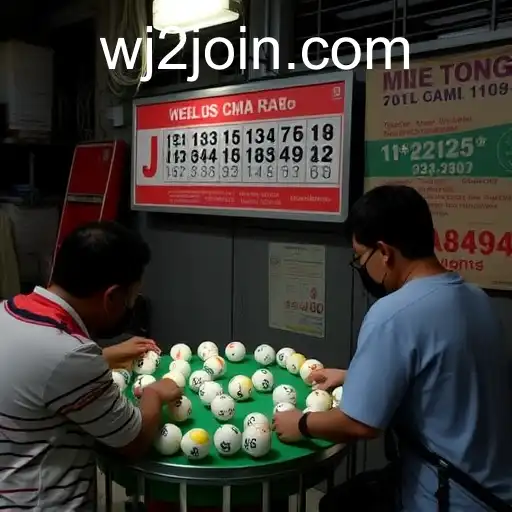
Jueteng is often described as a numbers game played on a daily basis. Participants select a combination of two numbers from 1 to 37, placing bets of various amounts. These bets are collected by “cobradores” or bet collectors who traverse neighborhoods on foot or motorbikes. The final draw is conducted by a “kubrador” or coordinator using a set of balls inscribed with numbers placed in a tambiolo (a local version of a lottery drum).
The game's persistence can be attributed to its roots in everyday Filipino life. For many participants, jueteng is more than a gamble—it's a community event that fosters social interactions. Economically, the game represents a potential windfall for participants from low-income backgrounds, offering hope with relatively modest investments.
Further complicating the matter is the issue of corruption, where local law enforcement and political officials are sometimes accused of turning a blind eye to jueteng operations. For some, these operations become a convenient source of under-the-table income, inadvertently perpetuating the cycle of illegal gambling.
Efforts to curb jueteng span multiple administrations, with varying degrees of success. Historically, these efforts include stringent law enforcement operations and legislative measures aimed at emulating successful numbers games like the Philippine Charity Sweepstakes Office's (PCSO) Small Town Lottery (STL) to absorb the market.
However, these initiatives face considerable challenges—not only because of jueteng's cultural entrenchment but also due to systemic corruption that frequently undermines these efforts. This ongoing dilemma complicates the Philippine government's stance on gambling, balancing between prohibition and regulation.
In a rapidly digitizing world, the gambling landscape is not immune to change. Modern technology has birthed new forms of betting, with online casinos like WJ2.COM emerging as reputable platforms for gaming enthusiasts. These digital alternatives offer legal, regulated environments that promise safe and secure experiences for players.
WJ2.COM Casino represents the epitome of this modern shift, incorporating state-of-the-art technology and diverse game offerings to attract a global audience. With integrity and innovation at its forefront, it provides a stark contrast to the clandestine operations of jueteng.
For gamblers familiar with jueteng, transitioning to online platforms offers several advantages—a legitimate gaming experience that ensures fairness, accessibility from anywhere with internet connectivity, and transparency in operations. Moreover, WJ2.COM Casino offers a broad array of games, from traditional favorites to contemporary, digital-first experiences.
Security and Fair PlayOne of the hallmarks of WJ2.COM Casino is its emphasis on security and fair play. The platform employs advanced encryption techniques to safeguard user data and financial transactions, fostering trust and reliability among its clientèle. Rigorously tested algorithms ensure that games are fair, mitigating the risks associated with cheating or manipulation.
As more Filipinos gain access to the internet and mobile technologies, the potent mix of traditional beliefs and modern conveniences sets the stage for a significant cultural shift. Online gaming, as represented by platforms like WJ2.COM Casino, gradually transforms how gambling is perceived—not only as a source of entertainment but as a legal, ethical alternative to underground operations like jueteng.
The digital age presents an opportunity to move away from the shadows of illegality, offering not just compliance with the law but also enhancing the cultural acceptance of regulated gambling as a legitimate pastime.
While jueteng has been a staple of Filipino culture for generations, the rise of online gambling platforms such as WJ2.COM Casino signifies a pivotal moment in the evolution of gaming within the country. It presents a fusion of old and new, where seasoned gamblers and novices alike can explore the possibilities afforded by new technologies.
The navigation of this complex landscape will determine the future of gambling in the Philippines. As traditional practices meet innovative advancements, the hope is for a harmonious coexistence that respects cultural traditions while embracing the benefits of modernization.
If you're looking for a reliable, fully licensed, and secure sportsbook with a wide selection of games, WJ2.COM Casino is the perfect choice. We're committed to providing you with the best online betting experience, with premium quality, excellent service, and continuous innovation. Sign up now and receive ₱777 for free!
Join now
Get the latest information, experience and betting strategies from the expert team at WJ2.COM Casino.
Explore the captivating universe of DetectiveDee and uncover the intricate rules of the game intertwined with the latest buzzworthy connections to WJ2.COM Casino.

Explore the captivating world of WolfHiding, a new casino game sensation available at WJ2.COM, complete with a detailed description, introduction, and exciting rules.

Discover the thrilling world of RuedaDeChile at WJ2.COM Casino, an engaging game that brings a unique twist to the traditional casino landscape.

Explore the exciting gameplay, introduction, and rules of RoyalExpress, the latest offering from WJ2.COM Casino.

Uncover the excitement of GoHighSafari, an engaging game offered by WJ2.COM Casino, where adventure meets opportunity. Learn about its fascinating dynamics, unique features, and essential rules.

Discover the captivating world of UnlimitedTreasures, a game at WJ2.COM Casino that combines excitement and strategy in a thrilling experience.
 Join now